April 23, 2026
An Authentic Charlotte Mason Conference with Kimberly Somarriba
Honoring the Spark While Carrying the Light Forward
“The idea being that any family, or circle of young and old, interested in literature, should at intervals take a favourite author, musician, or artist, one member giving a sketch of the life and others providing the illustrations.” (PR vol. XLVII No.1, p.3, January 1936) (on Scale How evenings - our Fireside Chats)
Before going on maternity leave, I casually mentioned to The Charlotte Mason Institute’s Executive Director, Kerri Forney, that I would love to read Parents’ Review articles about Charlotte Mason’s original conferences. With impressive speed, my inbox was full of Parents’ Review articles on the topic. There is an exceptional amount of literature on this topic, and it made for some great reading material and inspiration as we started the early planning for the 2026 conference.
- Join us at Faithfully Present, CMI's 2026 summer conference!
- Attend Friends & Fellow Laborers," our summer series of virtual events
The rich body of articles contain conference schedules, session descriptions, full transcripts of talks, and lovely write-ups/reviews. They give the reader an excellent sense of not only the structure of gatherings but the atmosphere, which was, of course, alive with ideas!
With a sleeping baby tucked in my arms, I read countless PR articles on the original P.N.E.U. gatherings. Here are some things I noticed about them:
- Mason invited those within her circle – school leaders and staff – as well as outside experts to present at her conferences. In doing so, she not only legitimized a Mason education within the wider educational community of her time, but she also elevated her colleagues and ensured an accurate representation of her philosophy and methods.
- Sessions were a mix of topics including philosophy, practice, methods, and application.
- Student work and exams were displayed for attendees to look at and to be inspired.
- Conferences were intergenerational and included children (the Children’s Gathering), teens, and graduates of the School of Education. They offered sessions exclusively for children and adults and many where they were all together. This included graduates of the School of Education teaching children in attendance live for conference attendees to observe.
- Conferences were deeply rooted in the nature, architecture, literature, and history of the location. Excursion examples include visiting local cathedrals, naturalist-led hikes, dress-as-a-person from local history parades, and Jane Austen evenings, just to name a few.
- There were opportunities for sharing and discussions in the evenings, modeled after the “Scale How Evenings” of the House of Education.
- Singing, dancing, drill, poetry, and scouting were always on the schedule.
- As one might expect, tea was also always on the schedule.
- Gatherings were centered around faith and began with prayer and praise.
Overall, when I read the conference summaries, they feel like a homecoming, a celebration, a balance of rest and invigoration, inspiration and validation, an invitation for educators to participate in their own education. To be taught the way they were called to teach.
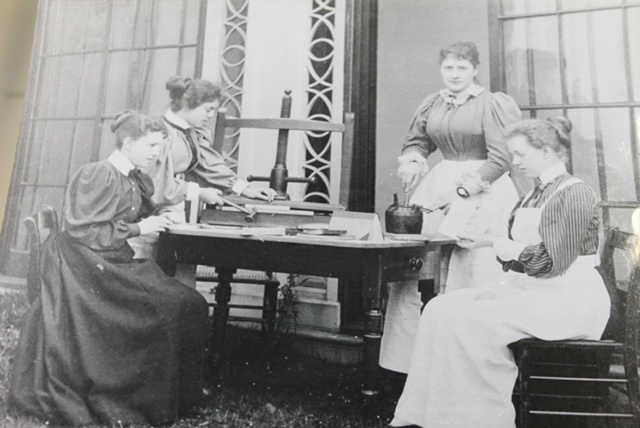
“The programme of the gathering has been arranged so as to give opportunities for all, old and young, to meet on common ground and to renew and receive the ideas which make for fulness of life in all its relations.” (PR vol. XLVII No.1, p.3, January 1936)
These same themes and practices live on in the way the Charlotte Mason Institute hosts our annual conferences. Here are some examples of the ways we stay true to Mason’s conferences:
- Our presenters include individuals in the Mason community and those who are adjacent-thinking. Some speakers have PhDs in education or their field of expertise. Some presenters have lived experience as home educators. Some have dedicated their adult lives to the study of Mason, while others are just getting started. We welcome presenters who are artists, naturalists, philosophers, etc. who have never heard of Mason before this but might as well have been her bosom-friends.
- Our multi-track workshop offerings include sessions that discuss philosophy, practice, methods, as well as application (immersion track).
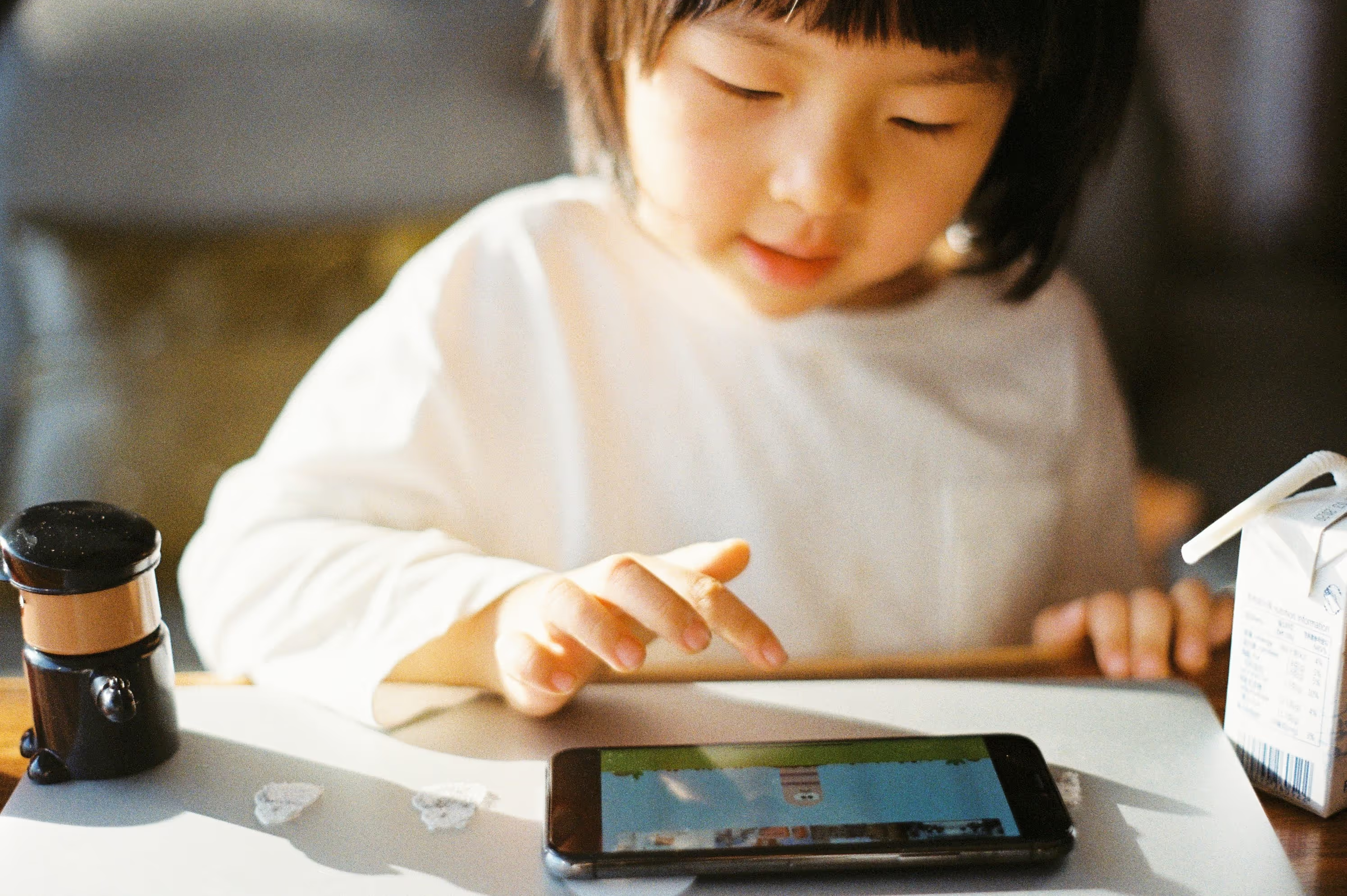
- We welcome teens, ages 13+ at our conference! Teens engage with adult attendees and fellow teens. Teens have their own sessions but they are also welcome to attend any session that interests them. Teens bring work samples to share, play ice-breaker games, participate in folk dancing, handicrafting, and more. Most importantly, they feel that esprit de corps with peers who are also experiencing a Mason education.
- We include a diverse group of educators including home educators, micro and hybrid school teachers, private school teachers and leaders. We embrace those who are just learning about Mason’s methods and those who have attended CMI conferences for 20+ years.
- We offer many pre-conference excursions connecting attendees to local nature, architecture, literature, history, and culture. This year, attendees will have the opportunity to go paddle on a local lake and learn about the bats that live there, visit local arts and culture museums, walk nearby civil war battle sites, or attend a quiet retreat in the woods as a part of our pre-conference offerings.
- Friday and Saturday evenings, we host Fireside Chats, which are casual, relational discussions around topic of interest. These are a time for sharing passions and personal stories, and to put up our feet after a long day. This year, we will be hosting over 20 fireside evening chats where we will discuss how home design can foster greater presence, the importance of animals in a Mason education, the wonder of math, neurodiversity in a mason education, and much more.
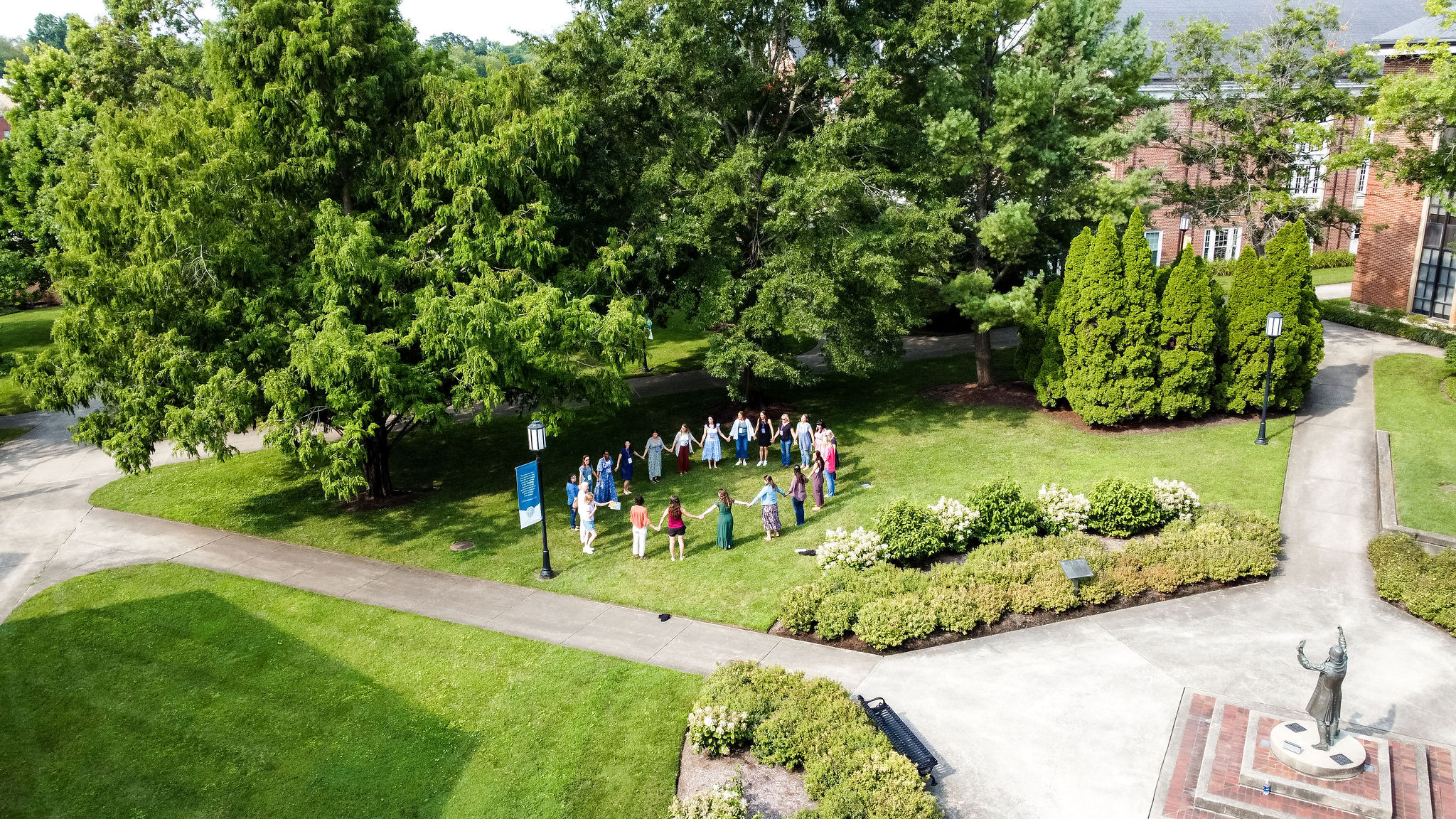
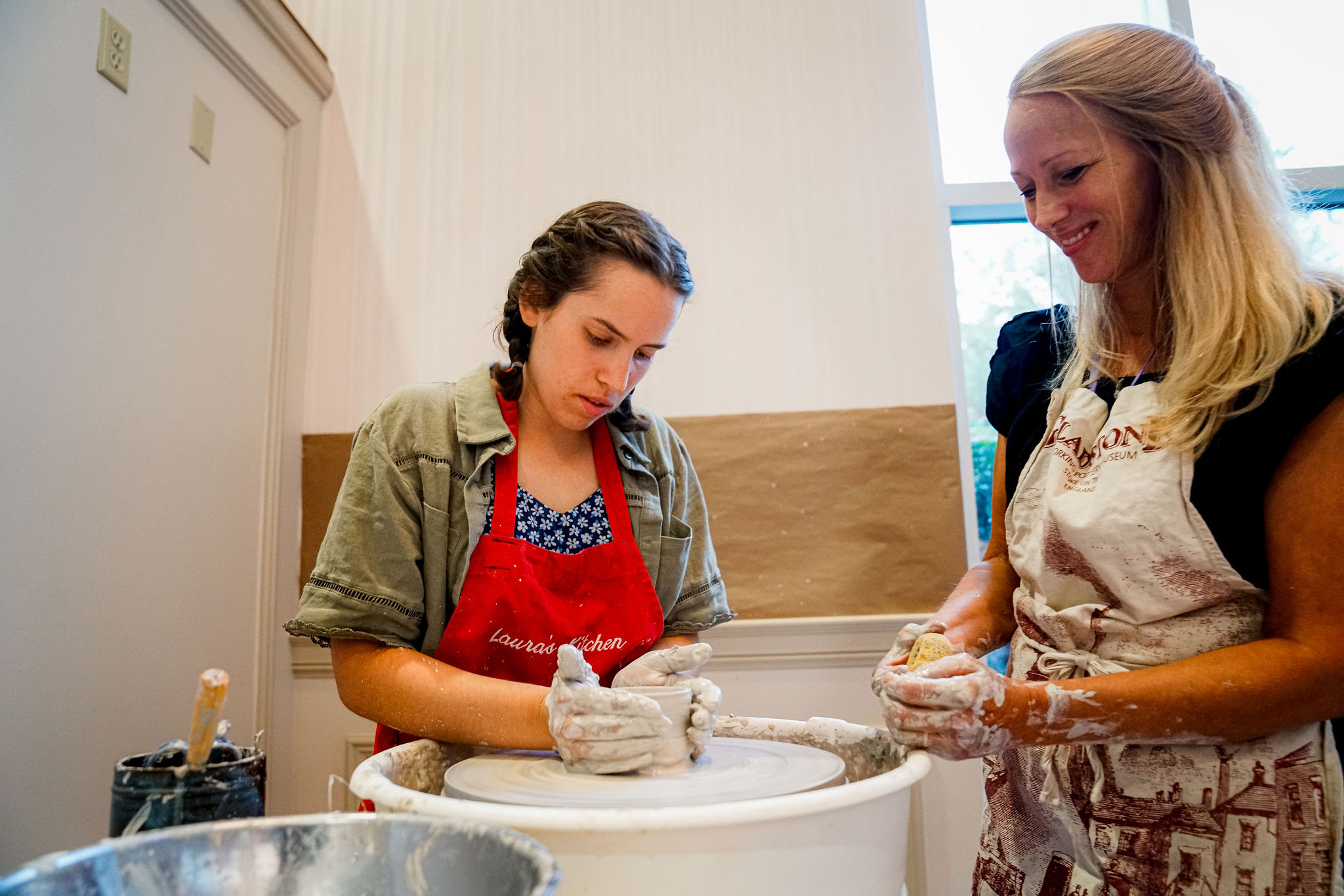
- We make space for movement moments, games, folk dancing, hymn singing, handicrafting, and poetry-sharing. The feast is spread for educators and honors us as persons too.
- The Eve Anderson Tea is a special part of our conference. We all pause for some delightful moments which have included music, talks on local flora and fauna, and exciting updates about how CMI is working to make a Mason education available to all children.
- We begin with a morning Matins service where we open in prayer, and reflecting on the responsibility of the educator being in cooperation with God.
Since 2005, the Charlotte Mason Institute has been hosting conferences as a part of our mission to research and amplify the educational theories and practices of Charlotte Mason. Home education has grown exponentially in the US, especially since 2020 (National Home Education Research Institute, 2026). There are also many new and exciting micro, hybrid, and private schooling options with the rollout of state funds for school choice. With that growth can come an overwhelming amount of options for professional development.
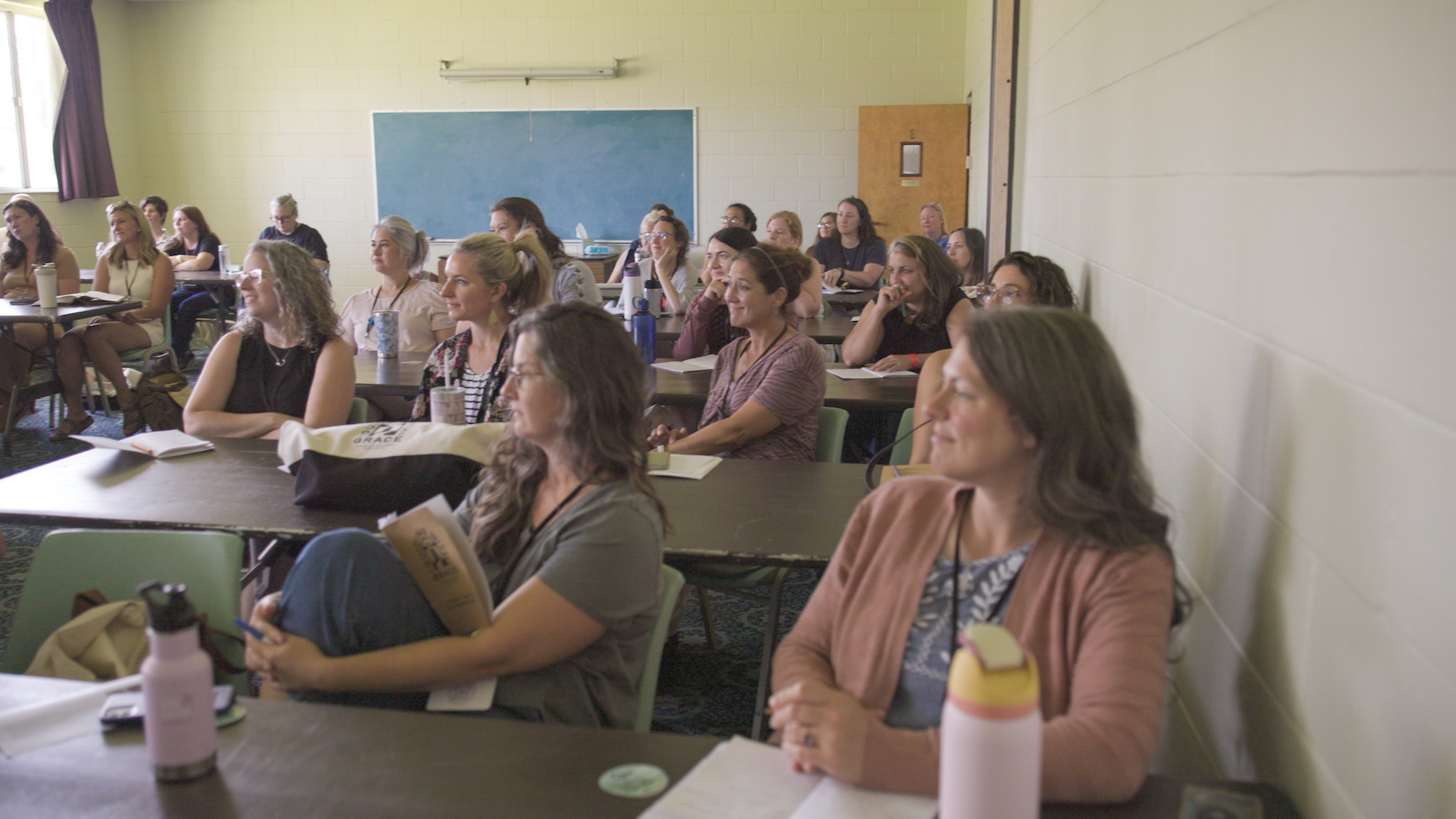
What makes our conference and our organization unique is that we strive to stay faithful to Mason’s philosophy of honoring the personhood of all learners today. Our conferences are dedicated to the cultivation of community centered around these ideas. As the only educational non-profit dedicated to this mission, we work reverently to preserve this environment for generations to come. We invite you to join us and see what makes the Charlotte Mason Institute’s annual conference an authentic and applicable reflection of those original gatherings. You will find that, though we represent a diverse group of educators, we are all in it “For the Children’s Sake.”
“My teenage son is so excited to see the teens again this summer! I dragged him to it last year and he ended up having such a fun time. He also has taken his work more seriously this year - I think it was so good for him to meet other teens and see their work to help inspire him.” (2025 CMI Conference Attendee, Kristi Harrington)
